2025 is a turning point.
AI has reshaped how developers work — tools like GitHub Copilot and ChatGPT assist with everything from boilerplate code to architecture suggestions. Yet our metrics for performance haven't evolved.
If your performance indicators are still the same as half a decade ago, they're not just out-of-date — they're misleading.
New Reality, Old Metrics: Why It's Not Working
Many teams still rely on:
- Hours logged
- Velocity or story points
- Raw lines of code
Those metrics measure volume, not value. They incentivize visibility over impact — and can easily be gamed. They don't measure what actually counts in 2025: complexity, consistency, collaboration.
The New Frontier: Continuous Improvement Over Perfection
In today's AI-augmented workflows, success isn't about flawless execution — it's about sustainable growth.
Focus on:
- Trend Stability — Is delivery steady week-over-week?
- Complexity — Are developers tackling meaningful, challenging work?
- Collaboration — Are team outcomes improving, not just individual stats?
Perfection is static. Improvement is scalable — and that's where today's high-performing teams focus.
AI Is a Tool — Not a Metric
Generative AI tools are powerful but only meaningful when used well. Tracking "tokens generated" or "AI commands run" won't tell you if code quality or speed improved.
The real question is: "How is AI changing the way developers contribute?"
Evidence from the Field
A McKinsey study found that high-performing engineering teams prioritize feedback loops, psychological safety, and continuous learning — not just tools.
In controlled trials:
- Developers using GitHub Copilot completed tasks 55.8% faster than those without.
- Another McKinsey study shows developers using AI completed routine tasks in nearly half the time and complex challenges 25–30% faster.
These results underline that AI delivers best results within strong feedback systems.
The Six Pillars of High Performance
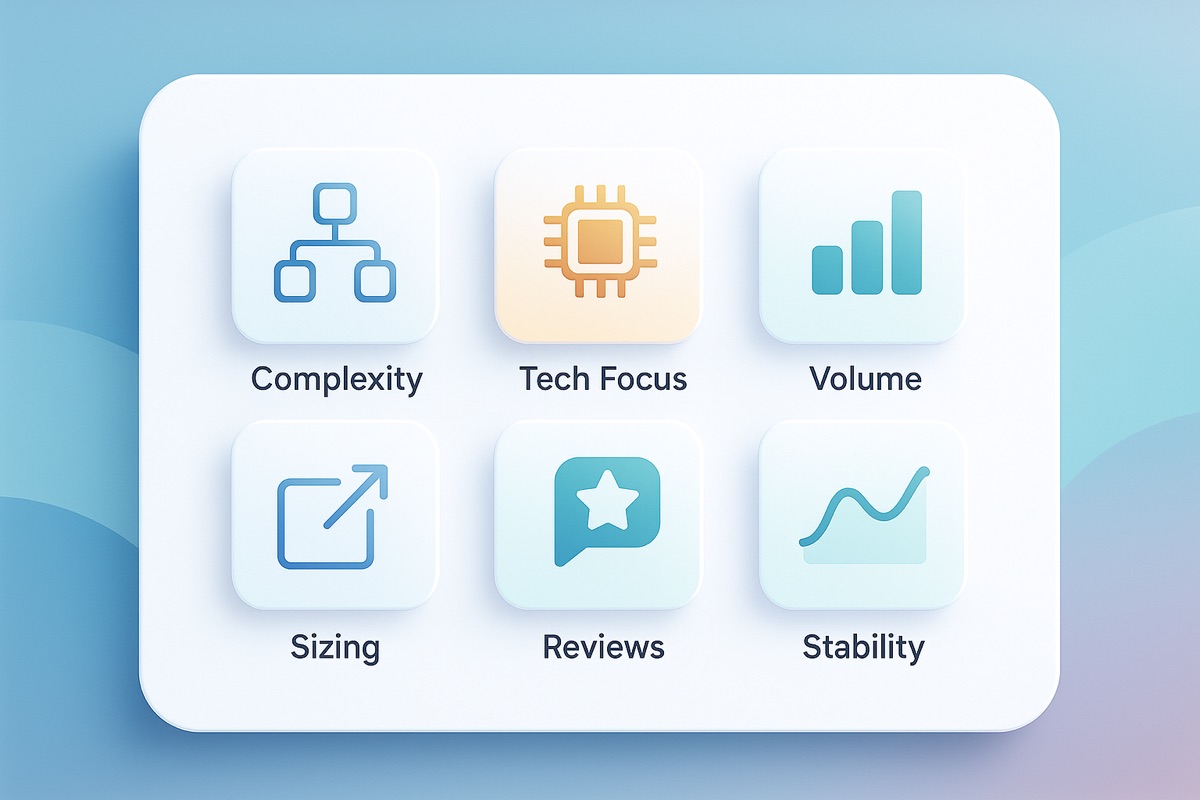
At Deventura, we analyzed developer behavior in AI-augmented environments and built the Six Pillars Framework — capturing measurable behaviors that drive team success:
- Complexity Ratio — Tackling hard problems vs. easy wins
- Tech Focus — Building depth, not bouncing between stacks
- Merge Request Volume — Consistent, sustainable output
- Size Balance — Right-sized, reviewable contributions
- Review Engagement — Sharing knowledge and lifting others
- Trend Stability — Healthy consistency over time
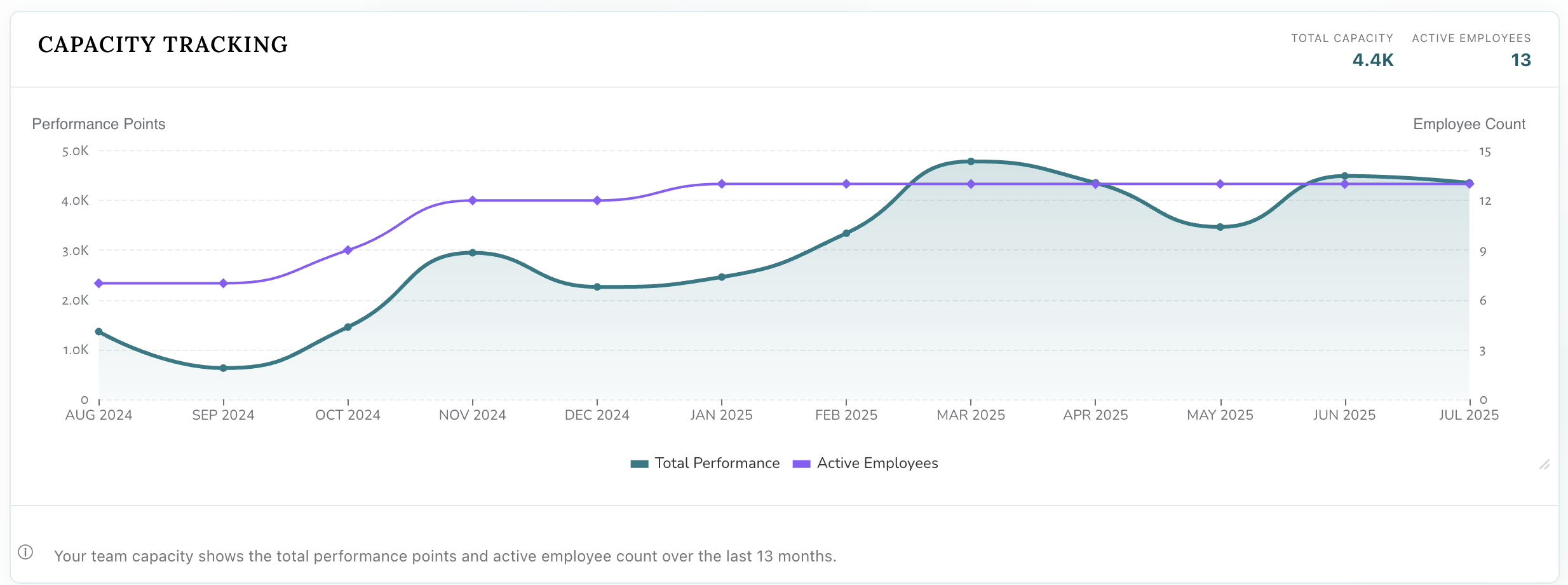
These indicators show not what developers are trying, but what they're achieving. Unlike hours or LOC, they surface genuine contribution over time.
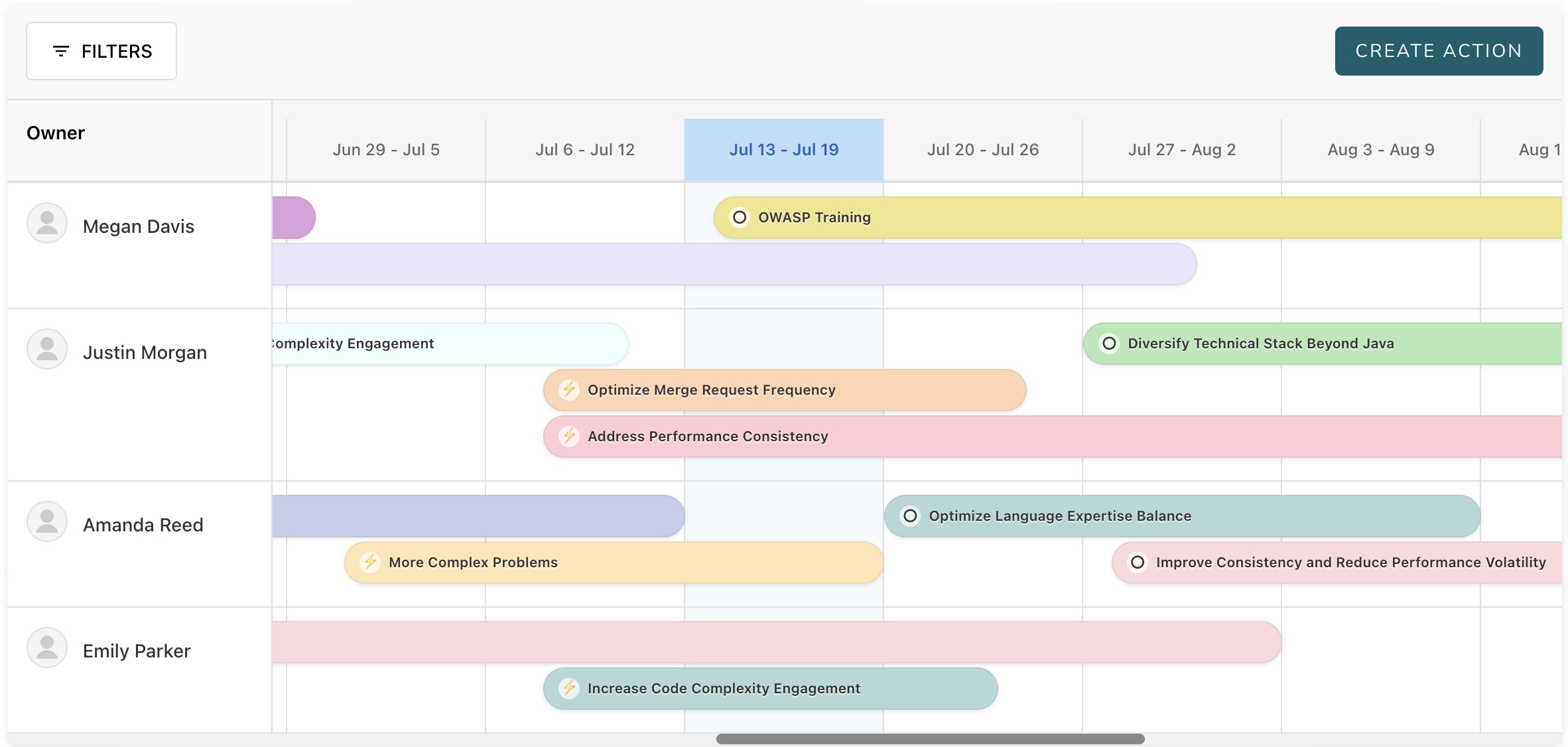
Our AI Performance Coach takes these measurements further by analyzing patterns and providing personalized recommendations for each developer. This ensures the data doesn't just sit in dashboards — it drives actionable improvements.
Metrics + Culture = Real Results
Metrics alone aren't enough — you need context.
Pairing Six Pillars data with coaching conversations enables:
- Self-reflection
- Growth-focused 1:1s
- Personalized development plans
When data meets dialogue, performance becomes intentional.
2025 Is About Visibility, Coaching, and Iteration
Software development has changed — your leadership approach should too.
- Real visibility into developer behaviors
- Data-informed coaching that strengthens team trust
- Iterative improvement via feedback loops
That's the foundation of modern performance. Teams embracing it aren't just more productive — they're more engaged and resilient.
Deventura provides the visibility and coaching framework you need. Our Six Pillars measurement combined with AI-powered personalized recommendations helps you build a culture of continuous improvement.