
The most common AI ROI mistake we see in engineering orgs: measuring code-level activity.
Lines written. Commits per week. MRs/PRs opened. Every one of these numbers jumps the moment your team starts using Copilot, Cursor, or Claude. None of them tell you whether AI is actually making your engineering org better.
What does:
How contributions are distributed across the team
AI tends to work for a handful of power users at first. The interesting signal is when that distribution starts to flatten.
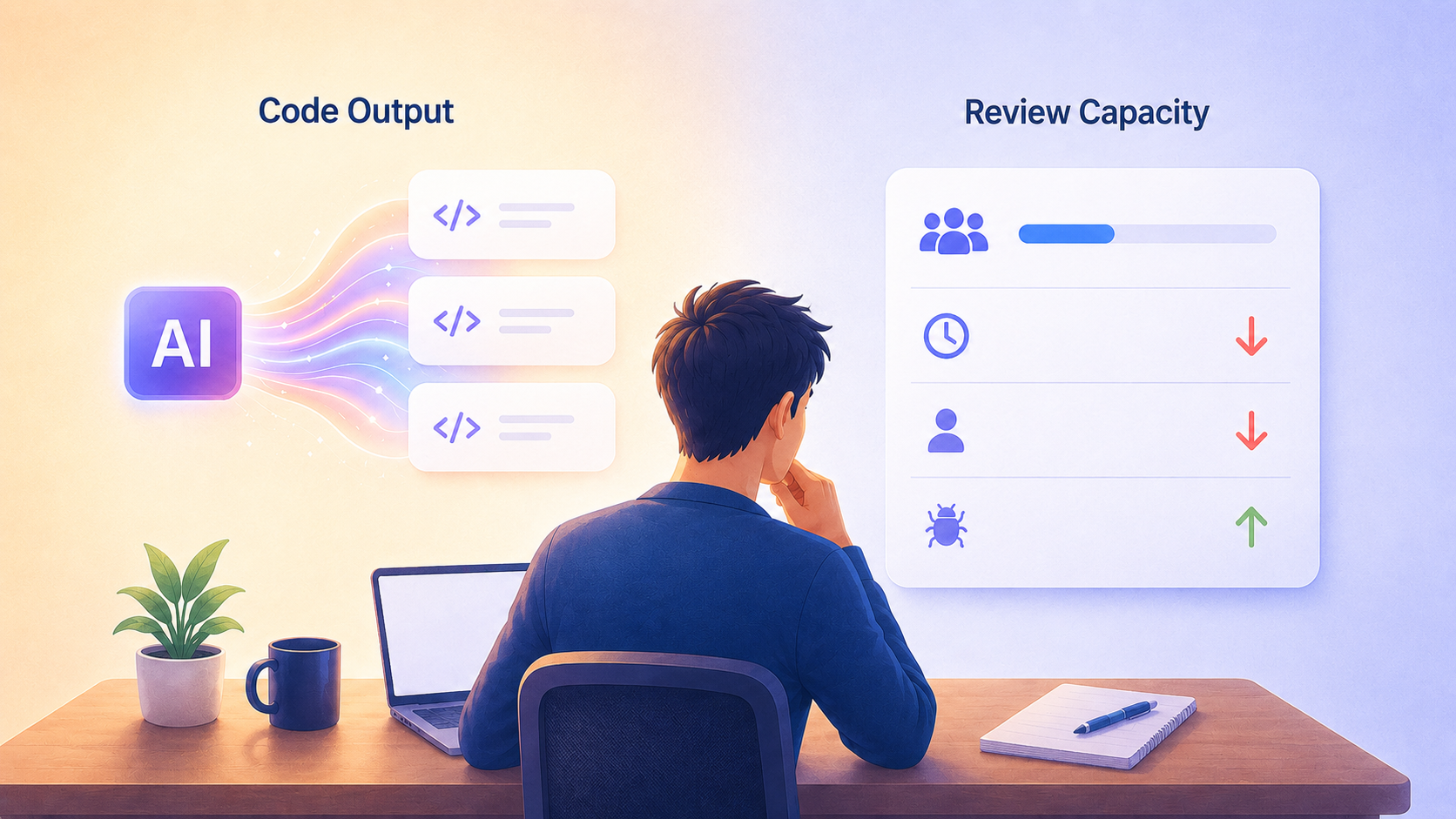
How review load is changing
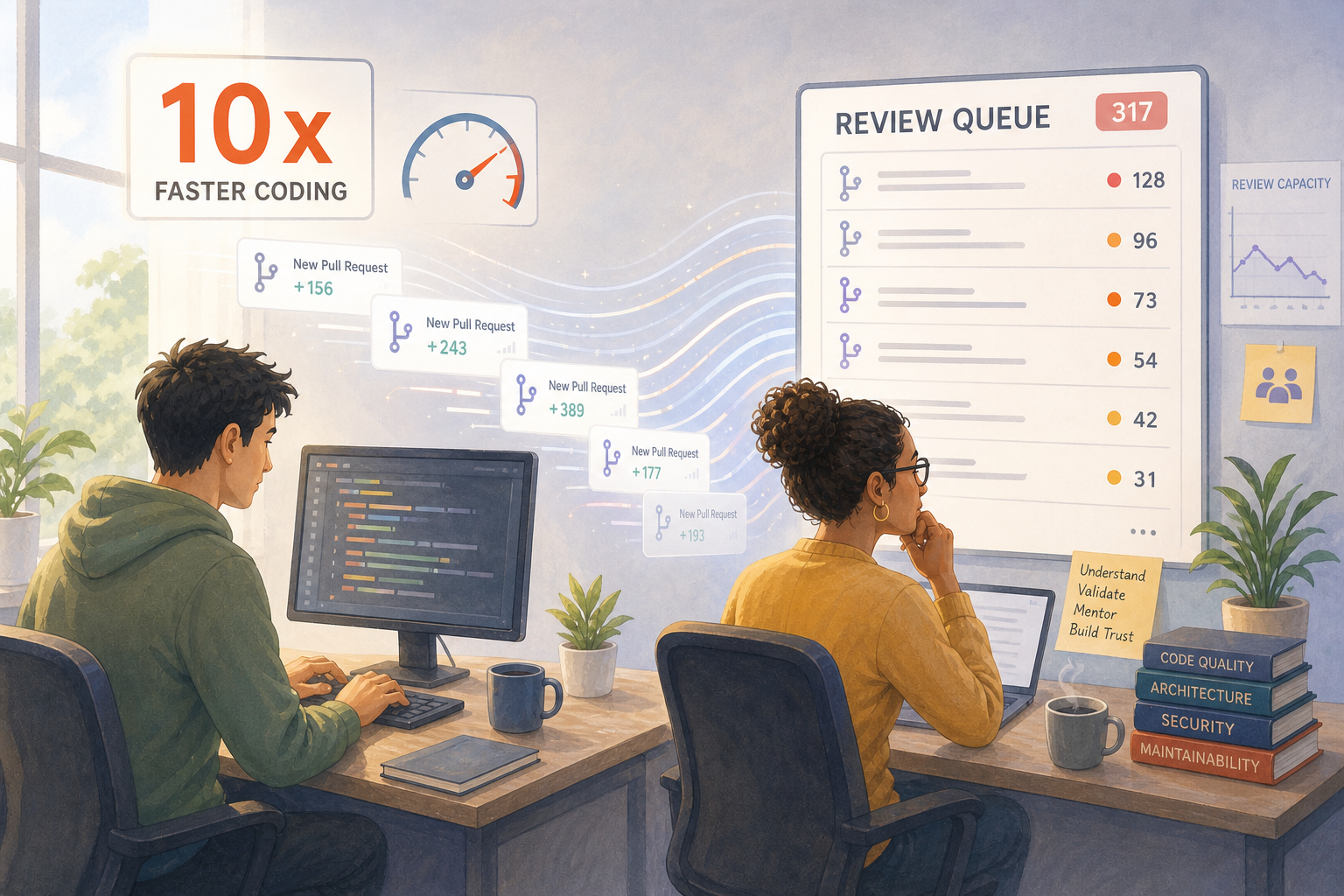
More AI generated code means more code that needs careful review. If review activity is not shifting, your team is either skipping the review step or AI is not producing much that gets shipped.
How capacity is moving
Output without leverage is just more work. Real AI impact shows up as the same throughput at lower load, or higher throughput at the same load. Not as everyone producing more while quietly burning out.
Where senior time is going
If your seniors are still buried in implementation, AI is acting as autocomplete. If their time is shifting toward design, review, and direction, AI is acting as leverage.
These are the patterns you should look for in your Git data. They are harder to game than activity counts, and they reflect what is actually changing about how the team works.
Adoption tells you who turned on the tool. Distribution, capacity, and review patterns tell you who is getting value from it.