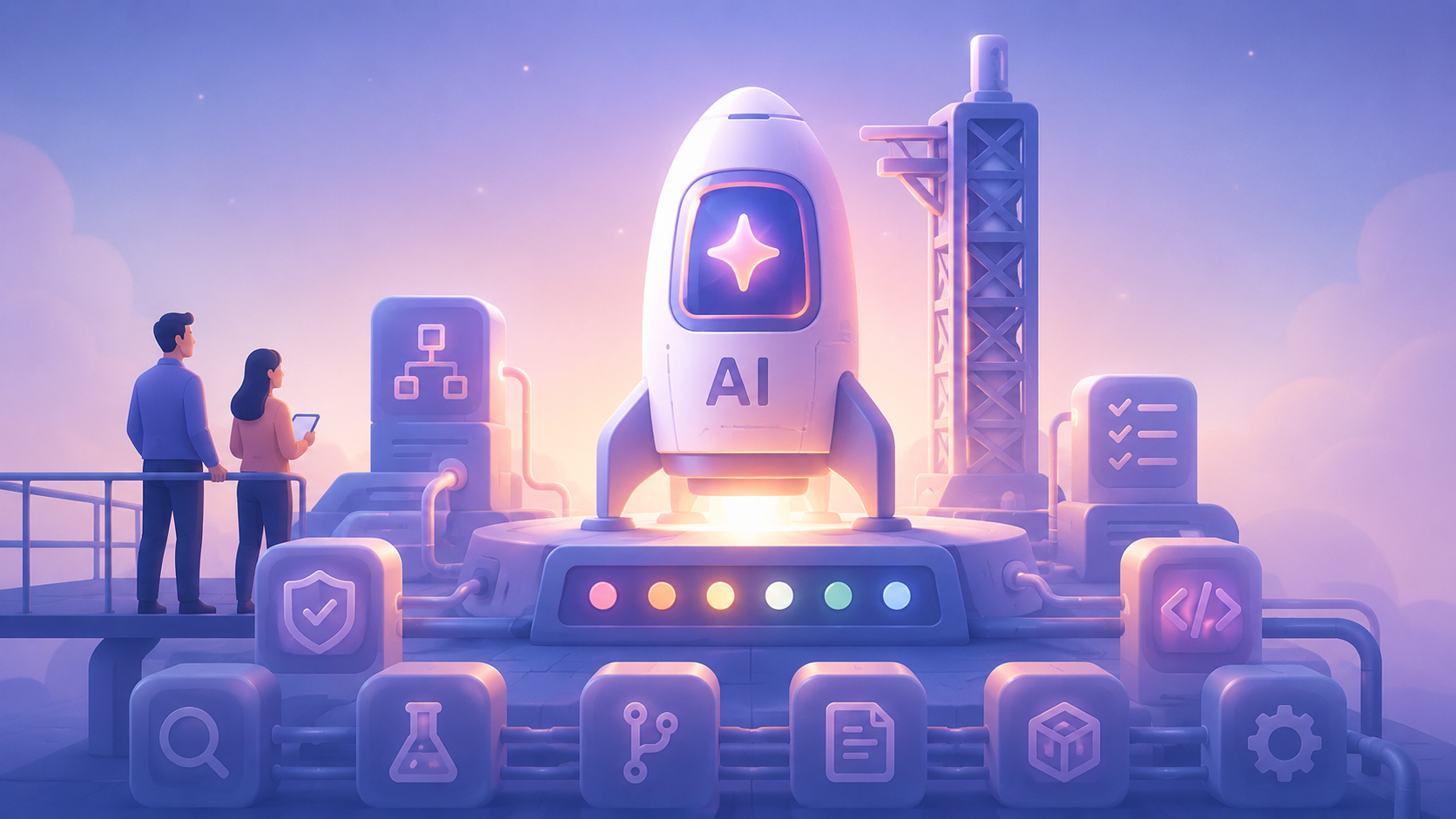
Engineering teams are adopting AI coding agents fast. These tools now handle large parts of routine implementation, test generation, refactoring, and even basic architecture suggestions. For many leaders, the early signals look positive: faster ticket closure, higher commit volume, and more visible output.
But output is not the same as capability.
For CTOs and engineering directors, a more important question is emerging:
As AI agents take on more of the coding work, are you strengthening or quietly weakening the engineering judgment that determines long term system quality, resilience, and strategic value?
This is becoming one of the most important leadership questions in software delivery in 2026.
AI agent usage is about speed and volume. Agents generate code, suggest changes, automate repetitive patterns, and reduce the time from idea to implementation.
Engineering judgment readiness is different. It is the human capacity to evaluate, challenge, improve, and take accountability for technical decisions. It includes tradeoff thinking, system level reasoning, architectural judgment, and the ability to understand consequences beyond the immediate task.
Usage scales output. Judgment readiness determines whether that output becomes durable advantage or hidden technical debt.
The emerging pattern we see in the market
In organizations that have moved beyond early experimentation with AI agents, a clear shift is appearing. Developers spend less time writing code from scratch and more time reviewing, steering, or accepting AI generated work.
That sounds efficient. But without the right leadership practices, it creates new risks:
- Reduced deep engagement with the codebase, leading to weaker understanding of system behavior
- Faster implementation decisions, but less confidence in architectural choices
- Greater reliance on AI for edge cases and error handling, where human judgment has traditionally been critical
- Harder mentoring for junior engineers when much of the practical "doing" is delegated to agents
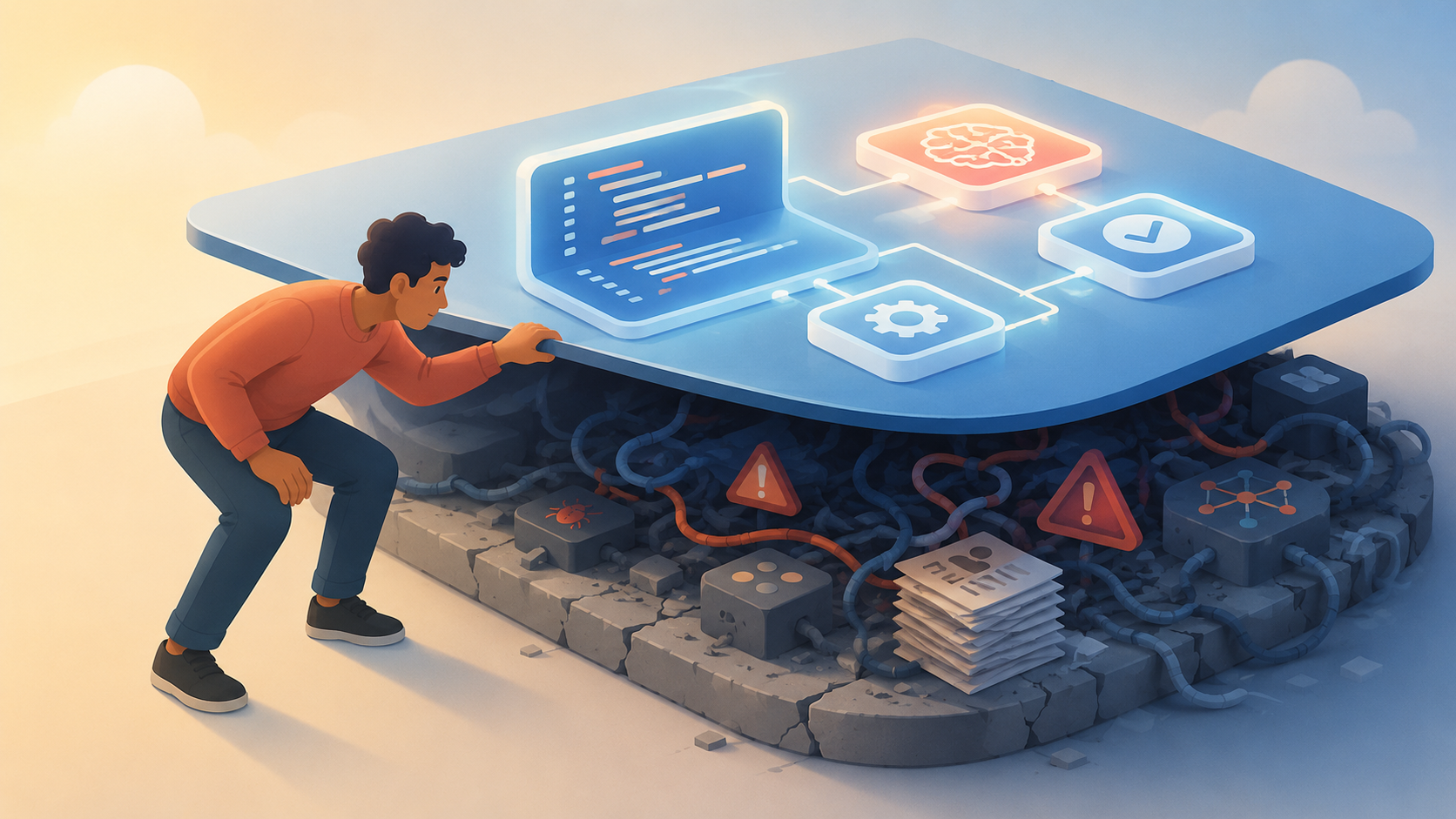
- Teams that ship more frequently, but accumulate incidents, rework, or maintenance overhead months later
The pattern is clear: AI agents amplify execution, but they do not automatically build judgment.
Without intentional leadership, organizations risk creating teams that are fast at directing tools but less practiced at the deeper reasoning that separates strong systems from fragile ones.
Why this matters more now than in previous tool waves
Earlier productivity tools mostly augmented engineering work. IDEs, frameworks, cloud platforms, and CI/CD improved how developers worked, but engineers still performed most of the core reasoning and implementation themselves.
AI coding agents are different. They increasingly substitute for parts of the work.
That substitution effect changes how engineering capability develops.
When agents generate more of the implementation, engineers may get fewer repetitions in the very activities that build judgment: struggling through tradeoffs, debugging complex behavior, understanding system constraints, and making decisions under uncertainty.
Leaders who treat agents purely as accelerators may see short term gains while missing longer term erosion in maintainability, architectural quality, innovation velocity, and system resilience.
The teams pulling ahead are not simply the ones using AI agents the most. They are the ones redesigning engineering leadership around them. They are changing how seniors spend their time, how reviews work, how knowledge is transferred, and what capabilities they measure and reward.
Practical Steps to Protect and Strengthen Engineering Judgment
Intentional Review Practices
Move beyond accepting AI suggestions quickly. Create structured calibration sessions where teams discuss why an agent produced a certain solution, what assumptions it made, what alternatives existed, and what risks were introduced. Make judgment visible, repeatable, and teachable.
Time Allocation for Deep Work
Protect focused time for senior engineers to work on complex, non obvious problems without defaulting to agent assistance. Use agents for speed on known patterns, but preserve space for original thinking, system design, and hard technical reasoning.
Updated Mentoring and Growth Models
Redesign onboarding and career development around judgment, not just output. Pair junior engineers with seniors on judgment heavy activities such as incident analysis, tradeoff discussions, architecture reviews, and long term refactoring decisions.
Measurement Beyond Velocity
Track indicators that reveal judgment quality: architectural decision records, incident root causes, review depth, knowledge sharing activity, rework patterns, and senior engineer time allocation. Commit volume and ticket throughput alone will not show whether capability is improving or eroding.
Culture of Reflective Practice
Build habits such as pre implementation reviews and post implementation learning sessions. Reward engineers who demonstrate strong judgment, even when their visible output is lower because they are solving harder problems or preventing future risk.
The leadership opportunity in 2026
The market is rewarding engineering organizations that treat AI agents as tools for amplification, not replacement.
The real differentiator is no longer whether a team uses coding agents. That is becoming table stakes. The differentiator is whether engineering leadership can preserve and elevate human judgment while agent driven output increases.
This is not about resisting AI. It is about steering it.
Teams that get this right will combine machine speed with human insight. They will move faster without losing system understanding. They will scale output without weakening accountability. They will use AI to raise the level of engineering work, not hollow it out.
From agent driven output to judgment driven advantage
The gap between heavy AI agent usage and strategic AI agent leverage is becoming one of the most important factors in engineering performance.
Speed of generation is no longer enough. The question is whether teams can evaluate what is generated, understand the tradeoffs, and make decisions that hold up over time.
That is where engineering judgment becomes a competitive advantage.
AI Agents Write the Code. Who Owns the Judgment?
This question is moving from theoretical to practical faster than many leaders expected.
The organizations best positioned for the next phase of AI in software delivery will be the ones investing in both sides: agent capability and judgment capability.